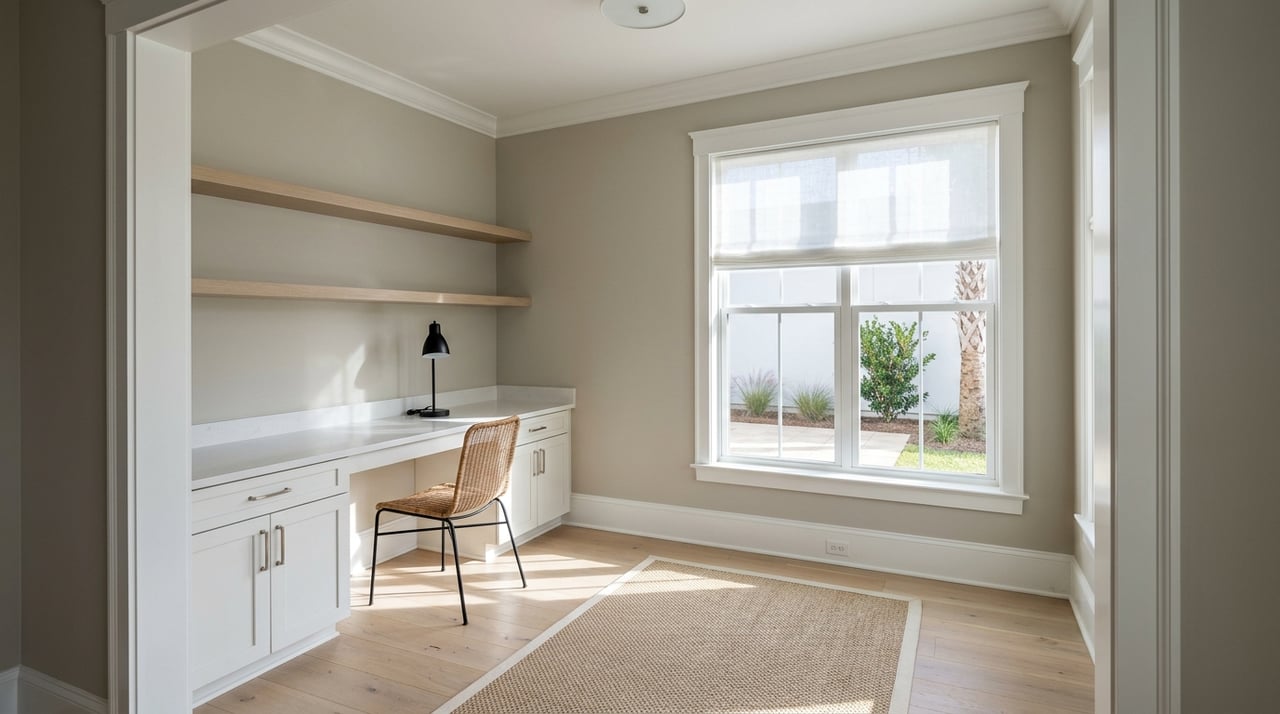
Dreaming about answering emails with a coastal breeze nearby? If you work remotely or split your time between home and the office, Galveston offers a lifestyle that feels like a getaway without cutting you off from daily life. You can enjoy beach living, stay connected to Houston when needed, and choose from several home styles that fit how you actually work. Let’s dive in.
Why Galveston Works for Remote Life
Galveston is more than a beach destination. The city describes it as a 32-mile-long island about 50 miles from Houston, which gives you a coastal setting with practical access to a major metro area. For many remote and hybrid workers, that balance is the main draw.
If you need to get to Houston now and then, the route is simple. Official transportation guidance notes that I-45 is the main land connection to the Houston region, and Port of Galveston information says drivers from the north and west take I-45 South directly to the island. The same source notes Houston Hobby is about a 45-minute drive from the port, while George Bush Intercontinental is about 1.5 hours away.
That means Galveston can make sense if your work is mostly home-based but still includes occasional in-person meetings, airport trips, or regional travel. You get the day-to-day feel of island living without giving up access to the wider Houston area. For many buyers, that is a strong middle ground.
Daily Convenience on the Island
Remote work is not just about where you sleep. It is about how your days flow, from coffee runs to errands to breaks between meetings. Galveston supports that rhythm better than many people expect.
City transit pages say Island Transit operates fixed routes, along with downtown and Seawall trolley service. If you want to spend more time in the island core, that can make it easier to move around without treating every short trip like a long car commute. It adds flexibility to everyday living.
Galveston also offers a more active central area than many coastal markets. The city’s fact sheet notes more than 100 shops, restaurants, and art galleries in the Strand and Downtown area. That gives you options for a lunch break, a walk after work, or a change of scenery during the week.
Best Areas for Remote Workers
Different parts of Galveston fit different work-from-home lifestyles. Some buyers want walkability and energy. Others want a quieter home base with room to spread out.
Downtown and the Strand
If you want to live near activity, downtown Galveston is one of the strongest options. Visit Galveston describes this area as home to the Strand Historic District, the Downtown Cultural Arts District, and the Historic Strand Seaport area. The city also notes there are more than 100 shops, restaurants, and art galleries within 36 blocks.
For remote workers, that can translate into a routine built around short walks and easy breaks. Postoffice Street is known for galleries, boutiques, antique shops, entertainment, and coffeehouses. If you like the idea of stepping out for coffee or lunch between meetings, this part of Galveston stands out.
Coffee culture is part of the appeal here too. Visit Galveston highlights Sea Foam Coffee in historic downtown and MOD Coffeehouse on Postoffice Street. For some buyers, nearby cafés are not just a bonus. They are part of a productive workday.
East End
The East End offers a different kind of appeal. Visit Galveston describes it as Galveston’s first residential neighborhood, with more than 50 city blocks, tree-lined streets, and Victorian homes. It sits next to downtown, which means you can stay close to the island’s urban core while living in a more residential setting.
This area may appeal to you if you want character and convenience in the same place. You can be near shops, dining, and cultural spots without living in the busiest part of town. That balance can be especially useful for buyers who work from home several days a week.
Silk Stocking
Silk Stocking gives you another residential option with historic character. City materials describe it as one of the most intact late-19th and early-20th-century residential areas in Galveston. It includes a mix of single-family homes and a generally residential streetscape.
For remote workers, that can mean a quieter environment than downtown. If your priority is having a calm place to focus during the day, this kind of setting may be a better fit. It is a strong option for buyers who want home life to lead the experience.
Evia and the West End
If you picture a slower coastal rhythm, look west. Visit Galveston describes the West End as having serene landscapes, expansive shorelines, and conservation areas. This side of the island often appeals to buyers who want a more settled and relaxed pace.
Evia is especially worth noting. Visit Galveston presents it as a peaceful community with shopping, dining, and leisure on the island’s West End. For a remote worker, having nearby places to step out during the day can make a big difference.
That everyday feel shows up in the local spots too. Sugar Bean Coffee & Cream is described as a quiet place to work, and Basin Bistro offers breakfast, lunch, weekend dinner, and indoor and outdoor seating in a lakefront setting. If your ideal day includes a neighborhood coffee stop or a casual lunch close to home, Evia checks a lot of boxes.
Beachtown
Beachtown leans more into the beach-house side of Galveston living. Visit Galveston rental descriptions reference beachfront homes, lagoon-front homes, private pools, elevators, and expansive covered porches. While each property is different, that gives you a clear picture of the kind of coastal housing found in this area.
For remote buyers, these homes can offer the space and flexibility that make working from home easier. Larger layouts, outdoor living areas, and room for guests or a home office can all support a live-work coastal setup. If beach access is high on your list, this is one area to watch closely.
Home Features That Support Remote Work
When you shop for a remote-work-friendly home, the layout often matters more than the style. Many buyers want an extra bedroom, a true office, or a flex room that can handle video calls and focused work. Privacy, parking, and some outdoor space also tend to move up the priority list.
Galveston’s housing mix supports a wide range of those needs. You will find historic homes near downtown and in the East End, more traditional residential options in Silk Stocking, planned-community living in Evia, and roomier beach-oriented homes on the West End and in Beachtown. That variety gives you real choices based on how you want your day to feel.
A buyer who wants walkability may prioritize being close to downtown amenities. A buyer who needs more separation between work and home life may lean toward a quieter residential area or a larger coastal property. The right fit often comes down to your work habits, not just your wish list.
Historic Homes and Renovation Plans
Galveston’s older homes are a big part of its appeal, but they can come with extra planning. If you are thinking about buying a historic property and updating it for remote work, it is smart to understand the process early.
The City of Galveston says historic district regulations are administered by the Historic Preservation Officer and the Landmark Commission. The city also notes that projects reviewed by the Landmark Commission must follow Galveston’s Design Standards for Historic Properties. If your vision includes adding office space or changing certain features, that review process matters.
This does not mean a historic home is the wrong choice. It simply means you want to match the property to your goals and timeline. A thoughtful plan can help you enjoy the charm of an older home while staying realistic about improvements.
Coastal Risks to Factor In
The island lifestyle is real, but so are the responsibilities that come with coastal ownership. Galveston says the island is vulnerable to flooding from storm surge, tropical storms, hurricanes, and heavy rain. Buyers should take those risks seriously from the start.
The city encourages homeowners to think about retrofits such as elevating structures, floodproofing, storm shutters, and reinforced garage doors. Those details may not be the exciting part of a home search, but they are part of making a smart long-term decision. On the coast, preparation matters.
Insurance is another key piece. The Texas Department of Insurance places Galveston in a designated catastrophe area and notes that coastal homeowners may need to pay close attention to wind and hail coverage. State guidance also warns that a standard home policy on the coast might not cover wind and hail damage.
In practical terms, that means your home search should include more than location and layout. You also want to understand flood risk, insurance needs, and ongoing maintenance. A home that fits your work style should also fit your comfort level as an owner.
How to Choose the Right Galveston Home Base
If you are trying to narrow down your options, start with your weekly routine. Think about how often you need to leave the island, whether walkability matters, and how much space you need to work well from home. Those answers can point you toward the right part of Galveston faster than broad online searches.
It also helps to decide what kind of atmosphere supports your best work. Some people focus better with cafés, restaurants, and activity nearby. Others need quieter streets, more privacy, and a stronger separation between work hours and downtime.
Galveston can support both styles. That is what makes it such an interesting market for remote and hybrid workers. You are not choosing between beach living and practical living. In many cases, you can have both.
If you are exploring homes in Galveston and want help matching your lifestyle, budget, and work needs to the right neighborhood, Melissa Rekoff can help you make a confident move with local insight and personalized guidance.
FAQs
Can you live in Galveston and still get to Houston easily?
- Yes. Official guidance shows I-45 South is the main direct route to Galveston, making occasional trips to Houston practical by car.
What Galveston areas are most walkable for remote workers?
- Downtown, the Strand, and Postoffice Street are the strongest walkable areas because they concentrate shops, restaurants, galleries, and cafés.
What Galveston neighborhoods feel quieter and more residential?
- East End, Silk Stocking, Evia, and the West End are often the best fit if you want a calmer home base.
What should buyers know about historic homes in Galveston?
- Historic district properties may be subject to review by the Historic Preservation Officer and Landmark Commission, so renovation plans should be checked early.
What coastal ownership issues matter most in Galveston?
- Flood risk, wind and hail coverage, storm preparation, and ongoing maintenance are important factors to review before you buy.