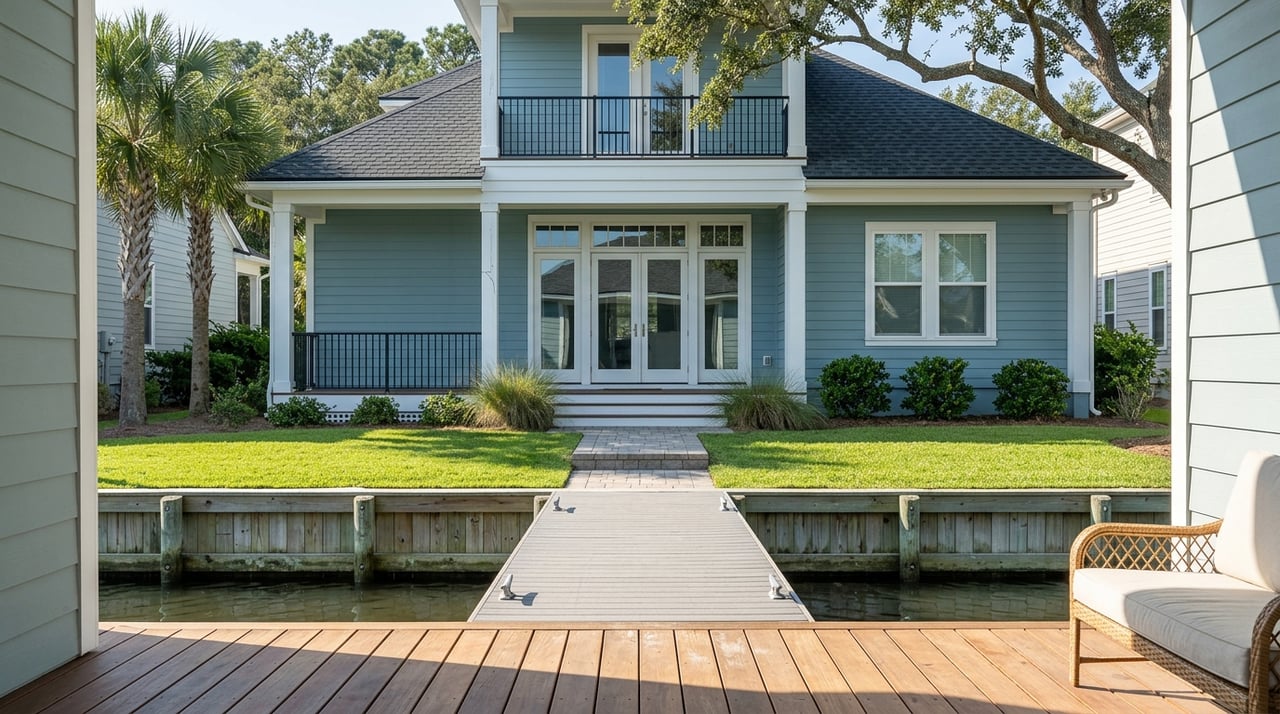
Picture ending your day with a kayak launch, a quick boat ride, or dinner near the marina instead of a long drive to find the water. That is a big part of the appeal of living on the water in League City. If you are considering a move here, it helps to understand not just the scenery, but also how waterfront life shapes your routine, your housing choices, and your long-term costs. Let’s dive in.
Waterfront Life In League City
League City is built around the water in a very real way. The city describes itself as a waterfront community on Clear Lake, with Clear Creek flowing into Clear Lake and out to Galveston Bay. That geography helps explain why boating, paddling, fishing, and waterfront dining feel like part of normal life here instead of an occasional weekend activity.
Location also adds to the appeal. League City sits between Houston and Galveston, just off I-45, and the city notes that it is about 20 minutes from Houston Hobby Airport. For many buyers, that means you can enjoy a coastal-adjacent setting without giving up access to work, travel, or everyday services.
Water Shapes The Daily Routine
In some places, waterfront living means a nice view from time to time. In League City, it can influence how you spend a regular Tuesday evening. You may find yourself planning around a paddle on Clear Creek, meeting friends near the marina, or choosing a home based on how quickly you can get onto the water.
Waterside dining is part of that lifestyle too. League City tourism materials highlight Clear Lake-area restaurants and boat-access dining, including spots at South Shore Harbour Resort and Waterford Harbor Marina. That makes the waterfront feel social and practical, not just scenic.
Parks, Trails, And Boat Access
One reason waterfront living feels so usable in League City is the public access. The city says it has 15 parks, about 850 acres of parks and open space, 25 miles of hike-and-bike trails, and 6 miles of paddle trails. Those numbers point to a city where outdoor time can fit easily into your week.
If you like paddling, the Clear Creek Paddle Trail is a standout feature. City and county information show a roughly 5.5-to-6.5-mile corridor with launch or landing points at places such as Countryside Park, Heritage Park, and Walter Hall Park. It is described as scenic and beginner-friendly, with opportunities for birding, wildlife viewing, and fishing.
Boating Is More Than A Selling Point
For buyers who own a boat or plan to, League City offers more than marketing language. The city lists a public boat ramp under the FM 270 bridge on Clear Creek, and Walter Hall Park includes both a boat ramp and a pier. The city is also working on renovations to the FM 270 Public Boat Ramp to improve the launch area, surfaces, bulkhead, and parking.
That matters because it shows ongoing public investment in water access. If boating is part of your lifestyle, these details can make day-to-day ownership much easier.
What Waterfront Housing Looks Like
Waterfront housing in League City is not one single style or setup. In many areas, homes are part of planned unit developments, or PUDs, rather than simple grid-style subdivisions. According to the city, PUDs are designed to allow more flexible neighborhood design, protect open space, and support pedestrian and bicycle circulation.
For you as a buyer, that often means more structure around how the neighborhood is laid out and how amenities are shared. It can also mean a stronger connection between home design, common areas, and access points like canals, marinas, and trails.
Different Kinds Of Water Access
A good example is TownHarbour Estates. The city’s PUD document describes it as a 37.16-acre waterfront and water-accessible community with 103 single-family lots, a 100-foot-wide private navigable central canal extending more than 2,000 feet from Clear Lake, a marina near the entrance to Clear Lake, shoreline estate lots, canal lots, and off-water lots.
That mix is useful because it shows how varied waterfront inventory can be in League City. Some homes may sit directly on Clear Lake. Others may front a canal. Others may be off the water but still located within a community that offers shared access and water-oriented amenities.
How Lot Position Can Affect Daily Life
Not all waterfront homes function the same way. Even within one neighborhood, your lot’s location can change how you use the property and what kind of upkeep you should expect. A shoreline lot, a canal-front lot, and an interior lot can all offer very different experiences.
In practical terms, buyers often need to look beyond the phrase “waterfront community.” You will want to understand whether a home offers direct frontage, navigable canal access, or shared access through neighborhood features such as a marina or private common area.
Questions To Ask About The Home
Before you move forward on a waterfront or water-access home, it helps to ask:
- Is the home directly on Clear Lake, on a canal, or off-water within the neighborhood?
- What kind of boat or paddle access is available?
- Are there shared amenities such as a marina, park space, or private streets?
- What maintenance responsibilities come with the lot or shoreline setup?
- Are there neighborhood rules that affect parking, docks, or exterior features?
These questions can help you compare homes more accurately and avoid surprises after closing.
Flood Risk And Elevation Matter
One of the biggest differences between a typical suburban home and a waterfront property is flood exposure. League City’s floodplain information says the 2019 FEMA map revisions placed about 3,730 homes in the Special Flood Hazard Area and about 7,378 homes in the 0.2% flood zone. The same city page notes that homeowners renewing an NFIP policy may receive a 25% premium discount if they live in the Special Flood Hazard Area, or a 10% discount if they live outside it.
The city also notes that coastal Zone V buildings are generally elevated on open foundations such as pilings or posts. If you are shopping near the water, elevation is not just an architectural detail. It can affect insurance, construction style, and how the home handles coastal conditions.
Why Due Diligence Is So Important
TownHarbour Estates offers a clear example of why buyers should pay close attention. Its PUD document states that the development is within the 100-year floodplain and that building pads will be raised above base flood elevation to meet League City requirements.
That does not mean a home is automatically a poor fit. It means your review process should be thorough. A waterfront purchase in League City often calls for a close look at the flood zone, elevation certificate, drainage considerations, and current insurance costs before you make a final decision.
HOA Rules And Maintenance Expectations
Many waterfront neighborhoods in League City are planned communities. Because of that, buyers should expect to review neighborhood documents carefully. The city’s PUD framework suggests that these communities often include more shared design features, amenities, and operational structure than a traditional subdivision.
That can be a benefit if you value organized amenities and a cohesive neighborhood feel. At the same time, it can come with added rules and responsibilities tied to items such as private streets, access points, or waterfront-related features.
What To Review Before You Buy
When you are comparing homes, be sure to review:
- HOA rules and fees
- Dock or marina use policies, if applicable
- Parking and access rules
- Maintenance obligations for waterfront improvements
- Any private street or shared infrastructure responsibilities
This step is especially important in canal or marina-centered communities where access and upkeep may be handled differently than in a standard neighborhood.
Short-Term Rental Rules In League City
If you are thinking about buying a waterfront home and renting it out short term, make sure you understand the local rules first. League City requires a short-term rental permit, annual renewal, and display of the permit number on the booking platform. The city also requires hotel occupancy tax compliance.
Those rules are important for both investors and second-home buyers. League City also states that unauthorized short-term rental advertising can lead to fines of up to $500. If rental income is part of your plan, this should be part of your early due diligence.
Everyday Convenience Beyond The Water
A waterfront setting often sounds like a vacation lifestyle, but League City also functions as a practical place to live full time. According to the city, school-aged children attend Clear Creek ISD or Dickinson ISD. The city also notes access to major Bay Area medical providers, including Houston Methodist, UTMB, HCA, MD Anderson Cancer Center, and Memorial Hermann.
That combination is a big part of the market’s appeal. You can enjoy life near Clear Lake and Clear Creek while still being connected to everyday services, commuter routes, and regional healthcare.
Is Waterfront Living Right For You?
Living on the water in League City can offer a mix of recreation, scenery, and convenience that is hard to find in many suburban markets. You may have access to paddling trails, boat ramps, marina dining, and neighborhoods designed around canals or lake frontage. At the same time, you need to think carefully about flood zones, elevation, insurance, HOA rules, and maintenance.
The right fit usually comes down to how you want to live. If you want your home to support time on the water, outdoor routines, and a strong connection to the Clear Lake area, League City gives you several ways to do that. If you want help comparing waterfront and water-access homes, Melissa Rekoff can help you navigate the details with a local, client-first approach.
FAQs
What is daily life like near the water in League City?
- Daily life in League City can include boating, kayaking, fishing, paddling, waterfront dining, and time in parks and trail systems connected to Clear Creek and Clear Lake.
What types of waterfront homes are available in League City?
- League City waterfront housing can include direct lakefront homes, canal-front properties, and off-water homes within water-oriented planned communities that may offer shared amenities or access.
What should buyers know about flood zones in League City waterfront areas?
- Buyers should review the property’s flood zone, elevation details, drainage considerations, and insurance costs carefully because waterfront and floodplain location can affect both ownership costs and construction features.
What public boat and paddle access does League City offer?
- League City offers access through the Clear Creek Paddle Trail, public launch points at parks such as Countryside Park, Heritage Park, and Walter Hall Park, plus public boating access including the city boat ramp on Clear Creek.
What are the short-term rental rules for League City homes?
- League City requires a short-term rental permit, annual renewal, permit number display on the booking platform, and hotel occupancy tax compliance, and the city says unauthorized advertising can lead to fines.
What should buyers review in a League City waterfront HOA?
- Buyers should review HOA rules, fees, dock or marina policies, parking and access rules, and any maintenance responsibilities tied to private streets, canals, bulkheads, or other shared waterfront features.