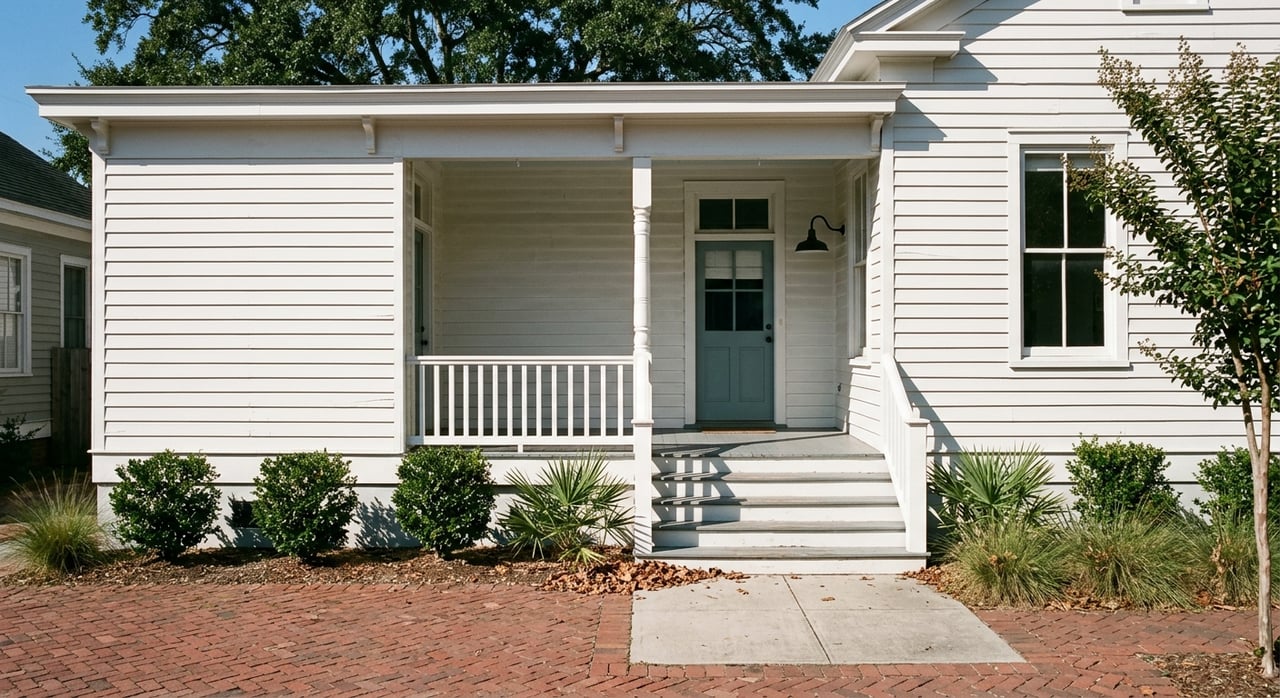
Wondering whether Galveston’s historic core or its beachfront neighborhoods fit your lifestyle better? It is a common question because both sides of the island offer a very different version of coastal living. If you are trying to balance charm, convenience, upkeep, and beach access, this guide will help you compare the two with more clarity. Let’s dive in.
Galveston offers two distinct lifestyles
Galveston is uniquely suited for this comparison because the island blends a preserved historic core with a long stretch of coastline. The City of Galveston notes that the island has 32 miles of beaches, while its locally designated historic districts are concentrated on the eastern and downtown side of the city.
When most buyers compare historic district living, they are usually thinking about areas like East End, Silk Stocking, and Lost Bayou. Beachside living usually points to the Seawall and the West End, where daily life is shaped more by shoreline access, water views, and a stronger visitor-oriented atmosphere.
What historic district living feels like
Historic district living in Galveston is closely tied to architecture, older streetscapes, and proximity to downtown. These areas tend to appeal to buyers who want a home with visible character and a stronger connection to the island’s past.
East End and nearby districts
East End is Galveston’s first residential neighborhood and sits next to downtown. It is known for tree-lined streets, eclectic dining, and a wide range of architectural styles, including many Victorian homes built during the post-1885 rebuilding era.
Silk Stocking has a more consistent residential feel, with larger single-family homes and late-19th- and early-20th-century architecture. Lost Bayou is smaller in scale and includes many early 20th-century structures with a broader mix of building forms and uses.
It also helps to separate Strand/Mechanic from the other districts in your search. The city identifies it as Galveston’s first locally designated commercial historic district, so it feels more like a downtown historic-commercial area than a classic residential neighborhood.
Architecture and street character
If visual charm is high on your list, the historic districts are usually the clearest fit. These areas are known for period architecture, mature trees, older lot patterns, and a strong sense of preservation.
Rather than offering one modern subdivision style, these neighborhoods show off Victorian-era homes and other historic building styles. That creates a more cohesive historic streetscape that feels very different from newer or more beach-driven housing patterns.
What beachside living feels like
Beachside living in Galveston is more about access, views, and outdoor coastal routines. Here, the home search often starts with questions like how close you want to be to the sand, how much activity you want nearby, and whether you prefer a lively or quieter beachfront setting.
Seawall lifestyle
The Seawall is Galveston’s best-known beachfront corridor, stretching for more than 10 miles. It is lined with restaurants, bars, souvenir shops, family-friendly attractions, parking areas, public restrooms, showers, and multiple beach access points.
For many buyers, that means the Seawall offers direct access to beach recreation with a built-in amenity base. It can be a strong fit if you want to be in the middle of the action and enjoy a more active, visitor-heavy coastal setting.
West End lifestyle
The West End offers a different pace. Visit Galveston describes it with expansive shorelines, serene landscapes, conservation areas, and access to Galveston Island State Park.
The West Seawall area is also described as a place where the beach opens up and crowds thin out. If you picture beachside living as more space, a slower rhythm, and a quieter coastal feel, the West End is often the better match.
Historic vs beachside home character
One of the biggest differences between these two lifestyles is what drives home appeal. In the historic districts, buyers are often drawn to the architecture first. Along the coast, buyers are more likely to focus on water access, views, decks, balconies, and the practical layout of coastal living.
That does not mean one is better than the other. It simply means your priorities matter. If you want a strong Victorian or early-20th-century identity, historic districts stand out. If you care more about stepping out toward the beach or maximizing a coastal setting, beachside areas usually make more sense.
Daily convenience and getting around
Your day-to-day routine may feel very different depending on which side of Galveston you choose. Convenience is not only about distance. It is also about whether your favorite places are clustered nearby.
Historic districts and downtown access
Historic districts near downtown generally offer better access to restaurants, boutiques, art galleries, and performance venues. East End is adjacent to downtown, and the area also has nearby shops, dining, and the University of Texas Medical Branch.
Galveston’s Island Transit system connects the Historic Downtown Strand District with the Seawall. For some buyers, that supports a more car-light lifestyle in parts of the historic core.
Beachside convenience
The Seawall also offers a concentrated amenity corridor, but it feels more tourism-oriented. You may love that energy if you want dining and attractions close by, but it is a different experience from living near the historic core.
The West End is more spread out and more beach-focused in daily use. That quieter setting can be a major plus, but it also tends to mean more driving for errands and routines.
Upkeep and ownership expectations
Both options come with responsibilities. Neither historic district living nor beachside living should be viewed as automatically low-maintenance.
Historic district review rules
In Galveston’s historic districts, exterior work may involve more than your own design preferences. The City’s Historic Preservation Officer and Landmark Commission review new construction, rehabilitation, restoration, and demolition, and projects must follow the city’s Design Standards for Historic Properties.
For buyers, that means changes to a home’s exterior may require review and need to fit district standards. If you love the idea of preserving older architecture, this may feel worthwhile. If you want maximum flexibility for exterior changes, it is something to weigh carefully.
Coastal weather and shoreline exposure
Beachside ownership brings a different set of questions. The Texas General Land Office says the Texas coast erodes 4.1 feet per year on average, and some areas lose more than 30 feet per year.
The same agency also notes that erosion can affect communities, buildings, roads, and storm-surge buffers. Its coastal homeowner guidance says buyers and owners should be aware of hurricanes, tornadoes, flooding, and storm damage.
Insurance and flood diligence
Flood zone is another major factor for beachside buyers. FEMA notes that high-risk A zones and coastal high-risk V or VE zones can trigger a flood insurance requirement when a property has a federally backed mortgage.
That makes due diligence especially important. For beachside homes, key items include flood zone, elevation, insurance cost, and shoreline exposure. For historic homes, key items include district rules, repair history, and the budget needed to maintain an older coastal property.
Which Galveston lifestyle fits you best?
If your ideal home is tied to architectural character, mature streetscapes, and easier access to downtown amenities, Galveston’s historic districts may feel like the right fit. They often suit buyers who want charm and centrality, even if that means giving up immediate beach access.
If your priorities center on direct access to the sand, Gulf views, balconies, and a more vacation-style atmosphere, beachside living may be the better match. The Seawall offers activity and convenience, while the West End leans quieter and more spacious.
In simple terms, historic districts trade beach proximity for architectural identity and central location. Beachside areas trade preservation constraints for direct coastal access and a lifestyle shaped more by the shoreline.
If you are weighing these options in Galveston, having neighborhood-level guidance can make the choice much easier. Melissa Rekoff can help you compare homes, understand the tradeoffs, and find the part of the island that fits the way you want to live.
FAQs
What is the difference between historic district living and beachside living in Galveston?
- Historic district living focuses more on preserved architecture, older streetscapes, and access to downtown, while beachside living focuses more on shoreline access, views, and a coastal day-to-day lifestyle.
Which Galveston area is better for historic charm?
- Galveston’s historic districts, especially East End and Silk Stocking, are generally the stronger fit if you want Victorian-era character, mature streets, and a more preserved neighborhood feel.
Which Galveston area is better for direct beach access?
- Beachside areas such as the Seawall and West End are the better choice if direct access to the sand and Gulf-front recreation is a top priority.
What should buyers know about Galveston historic district rules?
- Buyers should know that exterior changes in historic districts may require review by the city and must follow design standards for historic properties.
What should buyers check before buying a beachside home in Galveston?
- Buyers should pay close attention to flood zone, elevation, insurance cost, and shoreline or erosion exposure before purchasing a beachside property.
Is the West End or the Seawall quieter for Galveston beach living?
- The West End is generally described as quieter and more spacious, while the Seawall is more developed, active, and visitor-oriented.