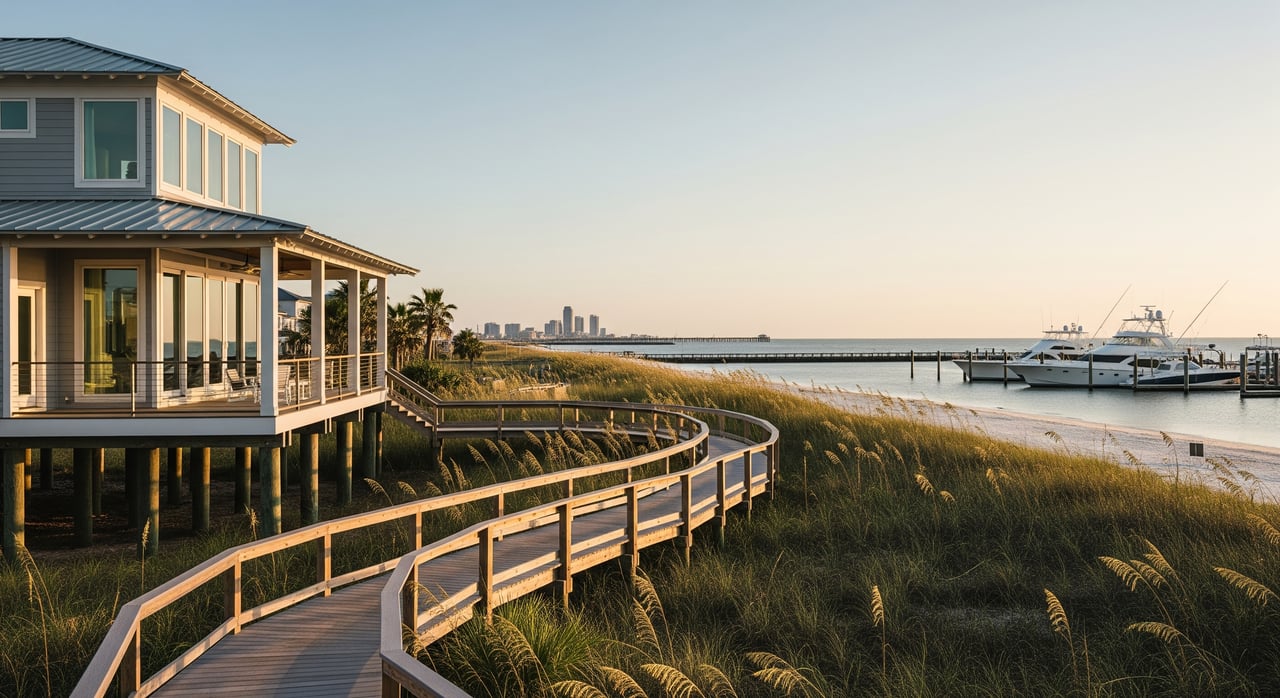
Picture your morning starting with a breeze off the Gulf, an easy walk or ride along the Seawall, and a quick decision about which stretch of sand or bay to enjoy before dinner downtown. If that sounds like your rhythm, Galveston might be the right fit. Choosing where to live on the island often comes down to how you want to use its beaches, marinas, and trails day to day. This guide shows you what life looks like near each amenity, how seasonal events shape daily routines, and what to weigh during your home search. Let’s dive in.
Beaches at a glance
Galveston’s shoreline offers a mix of lively, serviced beaches and quieter natural areas. The choices you make here influence your daily routines, weekend plans, and even your parking habits.
Seawall Urban Park
The Seawall is the island’s long, continuous shore-front protection and recreation strip, commonly described as roughly ten miles. The Seawall Urban Park is a multi-use landmark where you can walk, run, bike, rollerblade, and access the sand easily. If you want frequent, spontaneous beach time without getting in the car, living near this corridor is a major plus.
What to consider:
- Walkability and daily use vs. driving and parking
- Crowd levels in summer and on event weekends
- Lifeguard coverage and seasonal patrols
Stewart Beach
Stewart Beach is known for a family-oriented experience, with lifeguards and visitor-friendly amenities. It suits beach days that need structure, like restrooms and organized areas for gatherings. If you often host out-of-town visitors, you will likely spend time here.
What to consider:
- Ease of hosting and meeting friends
- Seasonal activity and busier weekends
- Straightforward access from Seawall-adjacent neighborhoods
East Beach
East Beach draws large seasonal events and concerts. Expect higher energy around holidays and event weekends. If you love a social atmosphere, living nearby makes it easy to pop in for concerts and leave before traffic peaks.
What to consider:
- Noise and crowd levels during events
- Parking and traffic management on peak days
- Short-term rental demand nearby during festival periods
Galveston Island State Park
Galveston Island State Park offers a more natural shoreline with dunes, birding, paddling launches, and trails. Kayakers, anglers, and nature lovers prize this area for its quieter vibe and varied landscapes on both the beach and bay sides.
What to consider:
- A calmer environment and nature-focused activities
- Access to trails and paddling launches
- Fewer built-in services than urban beaches
Bolivar Peninsula via ferry
Across the channel, the Bolivar Peninsula and Crystal Beach area have wide open beaches and different shoreline conditions. Many people reach it on the Galveston–Port Bolivar ferry. If you prefer open-sand driving beaches and more space, this could be part of your weekly routine.
What to consider:
- Ferry timing during peak seasons or storms
- A more open, less developed shoreline experience
- Planning trips around potential wait times
Which beach fits your day?
- Family time and services: Stewart Beach
- Event energy and concerts: East Beach
- Natural escape and paddling: Galveston Island State Park
- Everyday walks and bike rides: Seawall Urban Park
- Open-sand driving and room to roam: Bolivar Peninsula
Marinas, ramps, and water access
If you boat, fish, or paddle, your access points will shape your day. The Port of Galveston anchors cruise activity and supports nearby marinas and slips that serve recreational boaters and charter operations. This creates a dynamic waterfront that can affect traffic and the feel of nearby neighborhoods.
Public boat launches exist at the state park and at county-managed ramps. You will also find private marinas that provide wet slips and dry storage. If a permanent slip is essential, reach out early to confirm availability and potential waitlists.
Key considerations:
- Slip and storage choices: wet slip vs. dry storage
- Launch ramp congestion on holiday and tournament weekends
- Proximity to charter fishing and services
Trails and everyday movement
The Seawall Urban Park provides a continuous paved path that is ideal for walking, running, and biking with views of the Gulf. Many residents use it for daily fitness and relaxed evening rides. If you want to swap some car trips for movement outdoors, being near this corridor is a quality-of-life upgrade.
Galveston Island State Park adds nature-forward trails on both the beach and bay sides, including sand-dune and interpretive routes that work well for birding. Neighborhoods on the West End often use these trails for weekend outings.
Neighborhood connector paths and greenways vary by area. Some places have short connectors that tie into the Seawall or park spaces. If accessibility matters, look for dedicated multi-use paths, shared sidewalks, and beach access points designed with mobility in mind.
Seasonal events and daily rhythms
Galveston’s calendar is lively, and signature events influence everything from traffic to street closures.
- Mardi Gras! Galveston typically lands in February or March, bringing large parades, increased visitors, and strong short-term rental demand.
- Dickens on The Strand usually arrives in December, transforming downtown into a festive, historic street scene with heavy pedestrian traffic.
- Summer weekends from Memorial Day through Labor Day bring daytime crowds, beach events on East Beach, and a surge of day trips and overnight stays.
What this means for you:
- Expect noise and traffic near event hubs.
- Street closures and enhanced municipal services are common during big weekends.
- Local businesses often see peak activity and extended hours in these periods.
If you want to enjoy the excitement without the hassle, plan your routes, know the parking options, and time your outings earlier or later in the day. If you prefer a quieter pace, West End and state park-adjacent neighborhoods often see less event-driven crowding.
Neighborhood fit by lifestyle
Different parts of the island align with different daily habits. Start with how you plan to use the water, trails, and downtown.
Walkable Seawall neighborhoods
If you want daily beach access with quick runs, rides, and sunset strolls, Seawall-adjacent areas deliver. You will be closer to restaurants and live music, and you will feel seasonal energy. Expect higher short-term rental demand nearby and more weekend visitors.
West End and park-adjacent areas
Nature-forward buyers often prefer the West End and areas near Galveston Island State Park. You will find bay-side paddling, birding, and quieter beaches. The trade-off is a longer drive to downtown events and some services.
Bolivar-facing and north-shore areas
If you like open-sand driving beaches and more space, Bolivar-facing options can appeal. Travel typically involves the ferry or a longer drive. This can be a positive if you want a more isolated shoreline experience.
Downtown and Strand-adjacent
If your ideal day includes festivals, historic architecture, and dining, downtown living keeps you close to the action. You will be farther from quieter natural beaches, so plan for occasional drives to the West End or the state park.
Costs, insurance, and resilience
Coastal living comes with unique responsibilities. Many properties fall within hurricane and coastal-flood risk zones. Flood insurance requirements vary by FEMA flood zone, elevation, and local community rating systems. When possible, review the property’s FEMA flood map placement and request any existing elevation certificate.
Construction and maintenance also differ near salt air. Elevated foundations are common, and coastal exposure increases maintenance needs for roofs, siding, HVAC, and corrosion resistance. After major storms, local building codes may require higher elevation standards and windstorm design. Historic districts can add preservation rules for certain renovations.
Bottom line: weigh insurance, maintenance, and code requirements alongside lifestyle priorities. The right fit balances enjoyment of the water with smart preparedness.
Buyer checklist for coastal living
Use this shortlist to keep your search focused:
- Review FEMA flood maps for the parcel and ask for any elevation certificate on file.
- Confirm homeowners insurance and flood insurance requirements for the property.
- Ask marinas about slip availability, dry storage options, and waitlists.
- Evaluate HOA and local rules related to short-term rentals if income matters.
- Map your daily errands to grocery, medical services, and your commute.
- Consider event calendars if you live near the Seawall, East Beach, or downtown.
- Plan for watercraft storage, launch access, and trailer parking.
- Note accessibility needs, including boardwalks, ramps, and multi-use paths.
Daily life tips
- For the Seawall, early mornings and weekdays typically offer the calmest experience. Evenings are great for a breezy ride or stroll.
- If you use the ferry, build in extra time during holidays and summer weekends to account for potential delays.
- During big events, check for street closures and adjusted services before you head out.
- For calm beach days, try natural areas and state park zones outside peak hours.
How proximity shapes value and rentals
Waterfront, beachfront, and walkable-to-Seawall homes often command premiums because daily access is a major lifestyle draw. If you are exploring rental potential, areas near the Seawall and event beaches tend to see stronger seasonal occupancy. Balance that upside against higher maintenance, insurance considerations, and local rules that may apply to rentals.
Ready to explore homes?
If you are moving to Galveston or reshaping your lifestyle on the island, you deserve a guide who understands how beaches, marinas, trails, and events affect daily life and long-term value. We combine hyper-local knowledge with a high-touch process to help you choose the right neighborhood, navigate flood and insurance questions, and plan for rentals when it fits. Ready to start your search with a calm, consultative partner? Connect with Melissa Rekoff for local guidance tailored to your goals.
FAQs
Are Galveston beaches public and easy to access?
- Most beaches along the Seawall and in city or state parks are public, with established access points. Rules for pets, alcohol, and vehicle access vary by location.
How do I launch or store a boat in Galveston?
- Public ramps exist at the state park and county-managed sites, and private marinas offer wet slips and dry storage. Availability and waitlists vary, so inquire early.
What should I know about the Galveston–Port Bolivar ferry?
- The ferry is a key link to the Bolivar Peninsula for vehicles and passengers. Operation and wait times vary by season and weather, so plan ahead during peak periods.
How busy do the Seawall and beaches get in summer?
- Expect high visitation on summer weekends and holidays. Major events can increase congestion, so consider earlier outings or alternative routes.
What about hurricanes, evacuation, and insurance?
- Review evacuation routes, local building requirements, and both homeowners and flood insurance needs. Ask for elevation certificates and past flood claim history when available.
Does being near the Seawall or a marina affect home value?
- Yes. Waterfront and walkable-to-Seawall properties often see price premiums and strong demand. Weigh that against higher maintenance, insurance costs, and any rental-related rules.