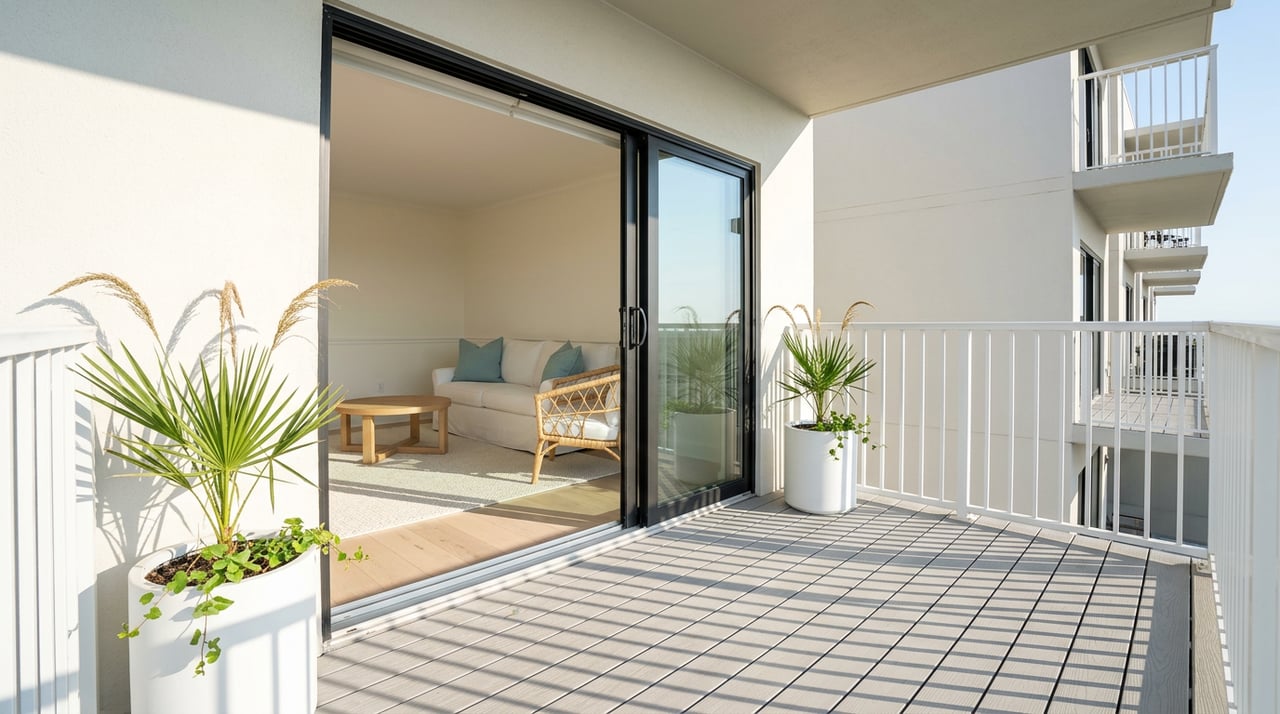
Torn between the ease of a condo and the freedom of a beach house in Galveston? You are not alone. Many buyers want the salt air and rental potential but are unsure which path fits their budget, time, and lifestyle. In this guide, you will get a clear, side‑by‑side look at costs, ownership rules, insurance, rental economics, and a practical checklist to choose with confidence. Let’s dive in.
Galveston market at a glance
Prices on the island vary by neighborhood and property type, but recent summaries place typical median sold prices in the low‑to‑mid $300Ks range. Condos, especially along the Seawall, often have lower entry prices than standalone beach houses. Inventory has been elevated at times as some short‑term‑rental owners have listed properties, which can improve your negotiating position.
Vacation rentals are a key piece of the local economy. City reporting shows that hotel and lodging taxes are a major revenue source, with a large share generated by registered vacation rentals. If you plan to rent, that context matters for demand, compliance, and long‑term policy watching.
Condos: what you own and pay
Buying a condo means you own your unit and share the building’s common elements with other owners. In Texas, condominium associations operate under the Texas Uniform Condominium Act, which guides governance, common‑area responsibilities, and required insurance carried by the association. If you are comparing buildings, ask for the declaration, rules, and the management certificate so you know exactly what you are buying. You can read more about the framework in this overview of Texas condo insurance requirements under TUCA Section 82.111 from Winstead’s real estate group.
Condo associations typically purchase a master policy that covers the structure and common areas. You will carry an HO‑6 policy for your interior improvements and personal property. It is smart to add loss‑assessment coverage in case the association’s deductible or a shortfall is shared among owners. Master policies can be “bare walls,” “walls‑in,” or “all‑in,” so always review the certificate of insurance and policy details. For a plain‑English primer, see this explanation of condo insurance and master policy differences from Forbes Advisor.
Typical condo costs and fees
- Purchase price: often lower than a comparable beach house in a similar location.
- HOA dues: commonly in the hundreds of dollars per month, varying by building and amenities. Dues may include exterior maintenance, common insurance, pools, elevators, landscaping, and sometimes utilities.
- Special assessments: possible for major capital projects like roofs, exterior repairs, or seawall work. Review reserves, budgets, and board meeting minutes to understand risk.
- Maintenance time: reduced day‑to‑day exterior chores compared with a house, which is a major appeal for lock‑and‑leave living.
Key due diligence for any condo: ask for the reserve study, the last 12 months of meeting minutes, current budget, master insurance limits and deductibles, any pending assessments, and the rental policy in writing.
Beach houses: responsibilities and freedom
With a standalone beach house, you control the land and structure. That freedom often comes with higher hands‑on maintenance and direct costs for the exterior, roof, railings, decks, pilings, and yard. The location and exposure matter. Salt, wind, and water increase wear, so set realistic expectations for upkeep.
A practical budget rule is to set aside about 1 to 4 percent of a home’s value per year for routine maintenance and repairs, with coastal properties trending toward the higher end. This is not a quote, just a planning guide that helps you compare a house to a condo’s steady HOA dues.
Permits, setbacks, and utilities
Before you buy, confirm any beach‑setback rules, public access easements, and permitting requirements for improvements like stairs, driveways, or seawall tie‑ins. Start with City of Galveston Development Services to understand what is allowed on the lot and what approvals you may need.
Insurance and flood realities
Windstorm coverage on the coast
On Galveston Island, wind and hail are typically insured separately from standard homeowners coverage. Many properties, including condos and houses, rely on windstorm policies placed through the private market or the Texas Windstorm Insurance Association. TWIA publishes eligibility and rate information. Premiums vary with construction, elevation, roof type, deductibles, and mitigation credits, so always request a property‑specific quote early in due diligence.
Flood zones and elevation
Flood insurance is its own policy. Lenders usually require flood coverage if the home is in a Special Flood Hazard Area such as Zones AE or VE. Look up the property on FEMA’s Flood Map Service Center, and ask for an Elevation Certificate if needed. Premiums depend heavily on elevation relative to the Base Flood Elevation and the home’s flood zone. Elevated structures can see lower premiums, while beachfront homes in VE zones typically face higher costs.
Galveston also experiences relative sea‑level rise, a combination of rising seas and local subsidence. Research at the Pier 21 tide gauge points to higher local water levels over time, which is important for long‑term planning, insurance, and resale. When comparing properties, factor elevation, flood zone, and the cost of mitigation work into your decision.
Renting your place: rules and revenue
Registration and local taxes
If you plan to operate a short‑term rental, the City of Galveston requires registration for each unit and issuance of a Galveston Vacation Rental number. The process, renewal timing, and required display rules are outlined by the City. Hosts also must collect and remit Hotel Occupancy Tax. Combined state and local HOT rates apply; confirm what platforms remit and what you must handle directly.
- Learn about the City’s short‑term rental registration process on the Galveston Vacation Rental page.
- Review general Hotel Occupancy Tax information through the Park Board’s HOT guidance so you understand rates and remittance.
Always confirm whether a specific HOA or condominium allows short‑term rentals. Even if the city permits STRs, an association may restrict or ban them. Get the rule in writing from the resale certificate.
Performance and seasonality
Market snapshots show median occupancy in the low‑to‑mid 40 percent range and average daily rates in the low‑to‑mid $300s, with stronger performance at well‑located and well‑managed properties, especially in summer. Use address‑level analytics from resources such as AirDNA’s MarketMinder to model conservative revenue by month before you buy.
Who each option fits
- You want low maintenance and amenities: consider a condo with a strong, transparent HOA and clear rental rules.
- You value privacy, outdoor space, and full control: a standalone beach house may fit, with a higher maintenance budget.
- You plan to rent for income: a whole‑home beach house can command higher ADRs for groups, while a well‑located condo can work for couples and small families. In both cases, verify STR legality, taxes, and insurance costs.
- You are downsizing or want single‑level living: look for a ground‑floor condo or an elevator‑served building, and review reserve funding and elevator maintenance history.
Side‑by‑side quick picks
- Condos: lower entry price, shared exterior upkeep, monthly HOA dues, possible special assessments, building amenities, potential rental restrictions, HO‑6 policy required.
- Beach houses: higher initial price and direct upkeep, more privacy and outdoor space, separate wind and flood policies, higher hands‑on or vendor‑managed maintenance, often stronger group‑rental potential.
Your due‑diligence checklist
Use this list to compare any Galveston condo or beach house before you write an offer.
- Ownership and rules
- Condos: request the declaration and amendments, management certificate, current budget, reserve study, meeting minutes, and rental policy; confirm the association’s master policy limits and deductible. For background on association insurance obligations, see TUCA guidance from Winstead’s real estate group.
- Insurance quotes
- Ask your agent for a windstorm quote and a separate flood quote for the exact address. TWIA publishes rates and eligibility. Condominium buyers should also price an HO‑6 policy that includes loss‑assessment coverage.
- Flood and elevation
- Check the property’s FEMA flood zone on the Map Service Center and obtain an Elevation Certificate if needed. Ask whether the structure is built to current standards and how it sits relative to the Base Flood Elevation.
- Building condition
- Order a general inspection. For beach houses, include a close look at roof, pilings, stairs, decks, railings, and envelope. For condos, inspect the unit and review association documents for any large exterior projects.
- Maintenance budgeting
- Use the 1 to 4 percent annual maintenance rule of thumb for houses, aiming toward the higher end for coastal exposure. Compare that to the condo’s HOA dues and reserves to understand true annual costs.
- Short‑term rental compliance and taxes
- Verify STR allowance in writing and confirm city registration steps and costs on the Galveston Vacation Rental page. Review Hotel Occupancy Tax guidance so you know what you owe and how to remit.
- Rental underwriting
- Model income with conservative occupancy and ADR using AirDNA or similar data. Stress‑test for offseason and higher insurance or assessment scenarios.
- Permitting and setbacks
- For beach houses, confirm any beach‑access easements, coastal setbacks, and permit requirements with the City of Galveston Development Services.
- Financing classification
- Tell your lender whether this will be a second home or an investment. Requirements differ for down payment, reserves, and underwriting.
Ready to compare options side by side or get address‑specific insurance and rental comps? Reach out to Melissa Rekoff for a calm, data‑informed conversation about your Galveston goals.
FAQs
What are typical HOA fees for Galveston condos?
- Fees vary by building and amenities, but many Seawall‑area condos show monthly dues in the hundreds of dollars; always verify what is included and review the HOA’s reserves and any pending assessments.
How does windstorm insurance work on Galveston Island?
- Wind and hail are often insured through a separate policy, sometimes via the Texas Windstorm Insurance Association; get a property‑specific quote and review deductibles and mitigation credits early in due diligence.
Are short‑term rentals allowed in all Galveston condos?
- No; city rules allow STRs with registration, but an HOA can restrict or ban them, so you must confirm the rental policy in the association documents before you buy.
What flood zones matter for Galveston beach houses?
- Zones AE and VE are common near the coast and usually require flood insurance; check the FEMA Map Service Center for the property and review the Elevation Certificate to understand premium impact.
How much should I budget for coastal home maintenance?
- A practical guideline is 1 to 4 percent of the home’s value per year, with coastal properties often near the higher end due to salt, wind, and sun exposure.
How should I model rental income for a Galveston property?
- Use conservative occupancy and ADR assumptions based on resources like AirDNA, factor in seasonality, include city HOT taxes and STR registration costs, and stress‑test for higher insurance or assessment costs.