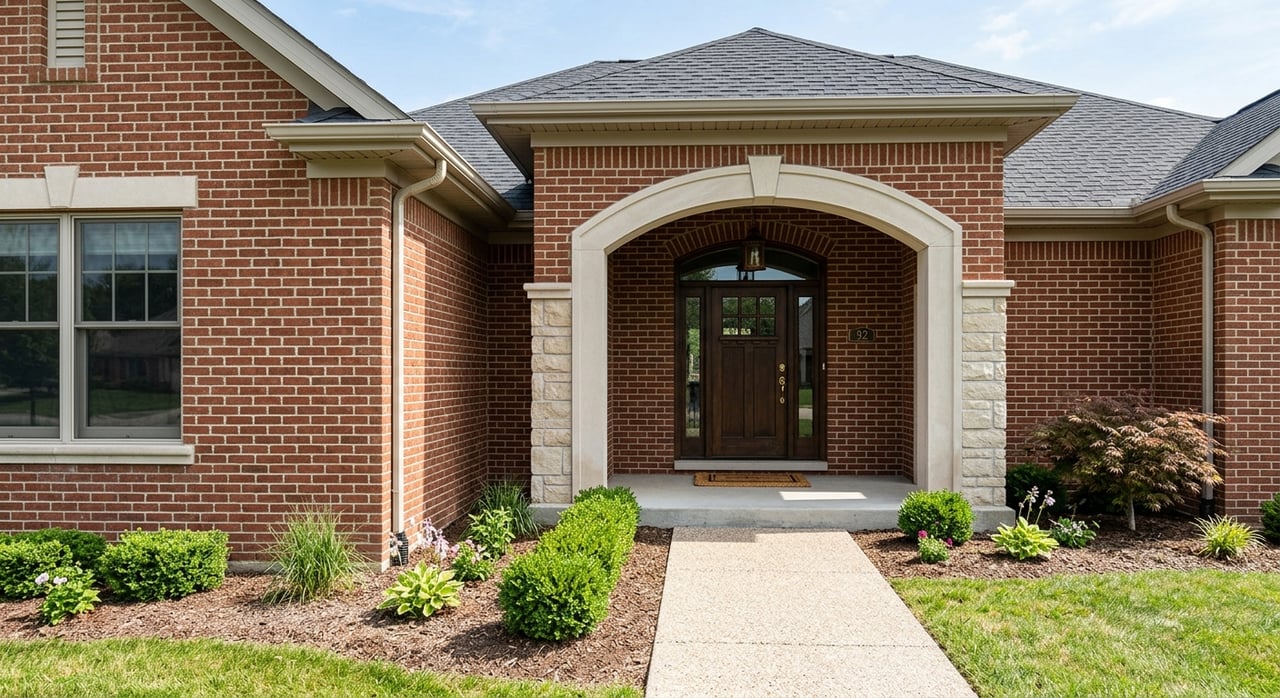
Buying your first home in League City can feel exciting and overwhelming at the same time. You want a home that fits your life and your budget, but you also need to understand local costs, financing options, and property risks that can affect your monthly payment. This guide walks you through what first-time buyers should know in League City so you can move forward with more confidence. Let’s dive in.
Understand the League City price range
If you are just starting your search, it helps to know what the local market looks like right now. Zillow’s League City market data shows an average home value of $372,300, a median sale price of $375,817, and a median list price of $399,633 as of March 31, 2026.
That means many first-time buyers in League City may be planning around a practical starter-home range in the low-$300,000s to low-$400,000s. Your exact comfort zone may be higher or lower depending on your income, down payment, debts, and the added cost of taxes, insurance, and any neighborhood-related fees.
Redfin’s February 2026 market page also showed homes receiving about two offers on average, with a median of 65 days on market. In plain terms, that suggests you may have some room to evaluate options carefully, but you still want to be financially ready when the right home appears.
Build your real monthly budget
One of the biggest first-time buyer mistakes is focusing only on the sale price. In League City, your monthly payment can change a lot based on property taxes, insurance needs, and charges tied to a specific address.
According to League City’s property tax information, Clear Creek ISD receives the largest share of local property tax revenue, with League City and Galveston County also making up part of the bill. The city also notes that some homeowners may pay MUD, PID, and HOA charges in addition to standard property taxes.
Using the city, county, and school tax rates cited in the research, a home at Zillow’s March 31, 2026 median sale price of $375,817 works out to about $6,232 per year in property taxes, or roughly $519 per month, before homestead exemptions and any MUD, PID, or HOA charges. That is why two homes with similar prices can have meaningfully different monthly costs.
You should also plan for closing costs. The Consumer Financial Protection Bureau says closing costs typically run about 2% to 5% of the purchase price, not including your down payment.
Explore first-time buyer loan options
The good news is that first-time buyers often have more options than they expect. In League City, the most common low-down-payment paths you are likely to hear about are FHA, VA, and USDA loans.
According to HUD’s home loan overview, FHA loans can allow down payments as low as 3.5%. HUD also notes that eligible VA borrowers can often buy with no down payment and no monthly mortgage insurance, while USDA guaranteed loans may offer 100% financing in eligible rural areas based on the property address.
The best fit depends on your credit profile, military eligibility, debt-to-income ratio, and where the property is located. A lender can help you compare loan options, but it is smart to understand the basics before you shop.
Look into down payment assistance early
If you may need help with upfront costs, timing matters. Some assistance programs require education or lender steps early in the process, not after you already have a contract.
The TDHCA My First Texas Home program offers down payment assistance and 30-year low-interest mortgage rates for eligible first-time homebuyers. TDHCA also states that approved homebuyer education is required to qualify for assistance.
The TSAHC first-time homebuyer assistance program includes 30-year fixed-rate mortgage loans with down payment assistance that may be structured as a grant or a forgivable second lien. TSAHC also offers Mortgage Credit Certificates and says buyers must apply through participating lenders when they apply for the mortgage.
If you think one of these programs might help, bring it up before you start making offers. That gives you time to complete any education requirements and coordinate with the right lender.
Get pre-approved before touring seriously
Pre-approval gives you a more accurate picture of what you can afford and helps you move faster once you find a home you like. It also gives you a chance to review how taxes, insurance, and fees affect your real payment, not just your loan amount.
The CFPB’s homebuying guidance recommends getting official loan offers and comparing them carefully. This is also the stage where building a trusted team matters, including your lender, your real estate agent, and a housing counselor if you want added guidance.
For first-time buyers, this step can reduce stress later. Instead of guessing, you can search with a clear budget and stronger negotiating position.
Watch for League City inspection concerns
In League City, the inspection process deserves extra attention because local conditions can affect a property in ways that are not obvious during a showing. A home may look great at first glance but still have issues tied to moisture, drainage, soil movement, or insurance eligibility.
The CFPB recommends scheduling an independent inspection as soon as possible and using financing and inspection contingencies when available. If an inspector flags concerns with the roof, drainage, moisture, or structure, specialty inspections may be worth considering before you commit.
Check flood risk by address
Flood risk should be part of your early research for any home you are considering. FEMA’s Flood Map Service Center is the official place to check flood hazard maps.
FEMA also notes that standard homeowners insurance usually does not cover flood damage. That means flood insurance, if needed, is generally a separate cost you should factor into your monthly budget.
Review windstorm insurance needs
League City is in Galveston County, which the Texas Department of Insurance identifies as a coastal first-tier county. TDI explains that coastal homes must meet certain building standards to qualify for windstorm insurance, and TWIA may provide wind and hail coverage when the private market will not.
This matters because windstorm coverage is often separate from a standard homeowners policy. Before you fall in love with a home, it is wise to understand how coverage may work for that specific property.
Pay attention to drainage and foundation
Local soil conditions can be tough on foundations. Texas A&M AgriLife’s Galveston County office notes that heavy clay, sometimes called gumbo clay, expands and contracts with moisture changes, which can crack slabs and stress foundations.
That makes visible drainage patterns, grading, standing water, and past foundation repairs especially important topics during your due diligence. If an inspector raises concerns, asking follow-up questions early can save you money and stress later.
Don’t overlook termites
Texas A&M AgriLife also notes that coastal Texas has an extremely high incidence of termite invasion into structures. A termite inspection may be a smart extra step if there are signs of past treatment, wood damage, or moisture issues.
This is one more reason to avoid rushing through inspections. A careful review now can help you make a better long-term decision.
Make a smart offer
Once you find the right home, your offer should protect your interests as much as possible. The CFPB’s home search guidance notes that buyers should make an offer contingent on financing and a satisfactory inspection where possible, and lenders generally require an appraisal before closing.
For a first-time buyer, contingencies can provide an important layer of protection. They give you room to review the property, confirm financing, and work through any major issues before you are fully committed.
This does not mean your offer has to be complicated. It means your strategy should match both your budget and the property’s risk factors.
Prepare for closing day
Closing is the final stretch, but it still requires careful review. The CFPB’s closing overview explains that this is when the loan is finalized and funded, and when buyers review insurance, title, and closing documents before getting the keys.
In League City, this is also the time to confirm how your insurance setup works. Depending on the property, that may include homeowners insurance, separate flood coverage, and separate windstorm coverage.
After closing, remember to look into your Texas residence homestead exemption once the home becomes your primary residence. The Texas Comptroller notes that this exemption can help reduce property taxes for eligible homeowners.
Your first-home path in League City
Buying your first home in League City is not just about finding a house you like. It is about understanding the full cost of ownership, choosing the right financing, and doing careful due diligence on the property itself.
If you want a local, steady guide through the process, Melissa Rekoff can help you navigate League City with practical insight, responsive communication, and first-time buyer support tailored to your goals.
FAQs
What is a realistic first-time home budget in League City?
- Based on current local sale and list price data, many first-time buyers may be shopping in the low-$300,000s to low-$400,000s, but your true budget should also include taxes, insurance, and any MUD, PID, or HOA charges.
What first-time buyer assistance programs can League City buyers explore?
- League City buyers may want to review TDHCA’s My First Texas Home program and TSAHC assistance options, both of which can offer help with down payment or mortgage structure for eligible buyers.
What insurance costs should League City homebuyers expect?
- In League City, you may need to budget for standard homeowners insurance plus separate flood insurance and possibly separate windstorm coverage, depending on the property and location.
What property issues matter most during a League City home inspection?
- In League City, buyers should pay close attention to flood risk, drainage, foundation movement, roof condition, moisture concerns, windstorm eligibility, and possible termite activity.
What should first-time buyers do before making an offer in League City?
- Before making an offer, it is wise to get pre-approved, confirm your monthly budget, review possible assistance options, and understand any flood, windstorm, tax, or inspection factors tied to the address.