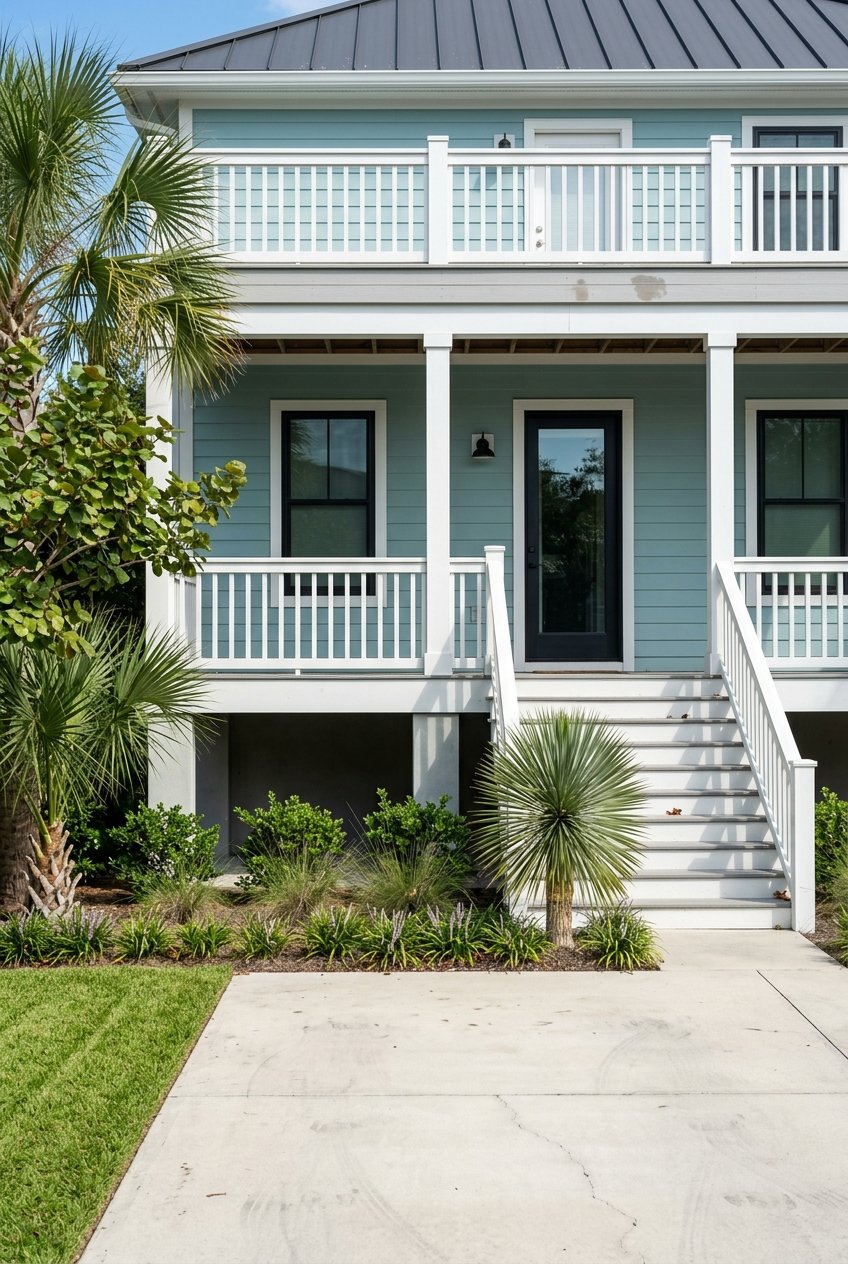
Are you thinking about buying a vacation rental in Galveston and hoping it will pay for itself? That can be an exciting goal, but this market rewards careful planning more than quick assumptions. If you want to invest with confidence, you need to understand seasonality, city rules, insurance costs, and property-level details before you make an offer. Let’s dive in.
Why Galveston Draws Vacation Rental Investors
Galveston has a steady flow of visitor demand tied to beach travel, cruise traffic, and local events. Park Board research shows most vacation-rental guests are leisure travelers, with an average stay of 3.52 nights and an average party size of 6.72 people.
That demand gives the island real short-term rental potential, but it does not mean every property performs the same way. Your results can vary a lot based on location, parking, layout, operating costs, and how well the home fits typical guest needs.
Galveston Is Competitive and Seasonal
One of the biggest things investors should know is that Galveston is not an under-the-radar STR market. Public data cited by the Park Board shows more than 3,000 existing short-term rental listings, and city compliance materials say the local registration system manages more than 4,400 rental properties.
That level of inventory means you should expect competition. It also means strong photos and a nice location alone may not be enough to carry a property if your numbers are tight.
Seasonality is another major factor. Public market data in a Park Board study shows average occupancy at 43%, with July occupancy at 73% and October occupancy at 26%.
That spread matters. If you underwrite the property based on a rosy summer picture, you could miss what the slower months do to your annual cash flow.
Use Conservative Income Projections
When you analyze a Galveston vacation rental, it helps to test more than one scenario. Use strong-season, average-season, and slow-season assumptions instead of relying on a single annual average.
This matters because the market can swing sharply by month. A home that looks great on a peak-season spreadsheet may feel very different once you add softer weekdays, shoulder seasons, and storm-related interruptions.
Check Zoning Before You Fall in Love
In Texas and Galveston, a short-term rental generally means a stay of fewer than 30 days. Galveston’s current city FAQ says STRs are allowed in every zoning district on the island except Restricted Residential, Single-Family, also called R-0.
That sounds simple, but you should still verify the exact zoning of the parcel before moving forward. Recent city council materials show that R-0 rezonings have been used in specific neighborhoods, so you cannot assume every island property is eligible.
Confirm the Property, Not Just the Area
Even if a street or nearby block has active vacation rentals, you still need to confirm the subject property itself. The city uses an online zoning map, and that parcel-level check should be part of your early due diligence.
This is one of the easiest mistakes to avoid. A quick zoning review can save you from buying a home that does not match your intended use.
Do Not Skip HOA and Historic Review
City guidance makes another point very clear: Galveston does not enforce private deed restrictions. That means buyers need to check HOA rules, CC&Rs, or other private restrictions separately.
If the home is in a historic district or is considered a historic structure, changes may require Landmark Commission review. That becomes especially important if you plan to renovate, expand, or update exterior features after closing.
The city also says property owners are liable for outstanding compliance issues on the property, even if they did not create them. For you, that means reviewing compliance history is not optional. It is a key part of protecting your investment.
A Seller’s STR Setup Does Not Transfer Automatically
If you are buying a property that already operates as a vacation rental, do not assume you can simply step in and keep everything running without interruption. Galveston’s registration FAQ says a new registration is required when ownership changes.
In practical terms, the seller’s GVR number does not carry over to you. You will need to plan for your own registration and make sure your listing setup is compliant under your ownership.
Understand Galveston’s Registration Rules
Galveston requires every short-term rental to have a GVR number, with one number for each rentable unit. The city says that number must appear in listings.
The current registration FAQ states that registration fees are $250 and renewals are due by December 31. If a registration lapses, the city can send the invalid GVR and address to listing platforms, which can lead to listing removal.
This is why compliance is part of operations, not just a one-time box to check. If your paperwork slips, your marketing can be disrupted quickly.
Local Contact Rules Matter
Galveston also requires a local contact available 24 hours a day, 7 days a week. The city says that contact must live within one hour of the property.
Updated rules require that person to respond within one hour and resolve the issue within two hours. After three violations within 12 months, the STR Licensing Board may recommend revocation.
For absentee owners and second-home buyers, this can make professional management a practical choice. The city allows property management companies to register and pay on behalf of properties they manage, which can help owners meet the city’s response expectations.
Budget for Hotel Occupancy Taxes
Revenue is only part of the equation. You also need to account for local and state tax obligations.
The Texas Comptroller says the state hotel occupancy tax rate is 6%. Galveston city auditor materials say the city levies a 9% local hotel occupancy tax.
That tax load should be part of your underwriting from day one. If you ignore it, your projected returns may look better on paper than they do in real life.
Parking Can Affect Reviews and Repeat Bookings
Parking may not sound exciting, but in Galveston it can have a real effect on guest experience. The city’s residential parking information shows that some neighborhoods use residential permits and visitor passes, while Seawall paid parking operates separately.
That means the exact street can shape check-in convenience and day-to-day guest satisfaction. A property with easier, clearer parking may create less friction for guests than one in a tighter setup.
The city also maintains a 24/7 STR complaint hotline for issues like parking, noise, and trash. That reinforces why guest instructions, local support, and fast communication matter.
Choose Features That Fit Typical Guests
Historical visitor research shows that Galveston vacation-rental guests are mostly leisure travelers. With average stays of 3.52 nights and average party sizes of 6.72, many bookings are likely to involve groups rather than solo travelers.
That helps explain why larger homes, multiple bedrooms, outdoor areas, and pet-friendly features can appeal in this market. While no feature guarantees performance, homes that fit how guests actually travel may have a clearer edge.
Storm and Flood Risk Must Be Underwritten Early
In Galveston, weather risk is not a side note. The city says it is vulnerable to flash flooding, storm surge, tropical storms, and hurricanes, and it references major damage from Hurricane Ike in 2008 and Hurricane Harvey in 2017.
NOAA says hurricane season runs from June 1 through November 30. For an investor, that means storm risk needs to be part of the buying decision before you ever estimate rental income.
Review Flood and Wind Coverage Separately
Galveston’s flood-protection guidance says standard homeowners insurance does not cover flood damage. The city participates in the National Flood Insurance Program, and eligible policyholders may qualify for flood-insurance discounts through the Community Rating System.
Texas also classifies Galveston as part of the first-tier coastal catastrophe area for windstorm inspections, and TWIA serves as the residual wind-and-hail insurer of last resort for eligible coastal properties. That means flood and wind coverage should be reviewed as separate parts of your insurance plan.
Look Beyond the Insurance Premium
Before you buy, review roof age, elevation, floodplain status, and repair history. If you are planning improvements, remember that the city says floodplain development may require permits, and substantial improvements can trigger added compliance requirements.
Timing matters too. The city notes that flood insurance has a 30-day waiting period, so it should be bound early rather than left for the last minute.
A Smart Due Diligence Checklist
Before you move forward on a Galveston vacation rental, make sure you have answers to the basics:
- Verify the exact zoning and confirm the property is not in an R-0 district.
- Review HOA rules, deed restrictions, and any private-use limitations.
- Check whether the property has compliance issues or unresolved city matters.
- Confirm whether the current STR is properly registered and plan for a new GVR after closing.
- Request trailing occupancy, ADR, and tax filing records from the seller if available.
- Get insurance quotes for flood and wind coverage early in the process.
- Evaluate parking, guest access, and neighborhood operating practicality.
- Make sure you can meet the city’s 24/7 local-contact requirements.
What This Means for You as a Buyer
Galveston can offer real vacation-rental opportunity, but it is best approached with discipline. The market has proven visitor demand, yet it is also mature, regulated, and strongly seasonal.
If you buy with a clear plan, realistic numbers, and careful property-level due diligence, you put yourself in a much better position to avoid expensive surprises. The right home is not just attractive to guests. It also needs to work with the city’s rules, your operating setup, and your long-term financial goals.
If you are considering a coastal purchase in Galveston and want a grounded, local perspective on what to look for, Melissa Rekoff can help you evaluate properties with a practical eye for both lifestyle and investment potential.
FAQs
What qualifies as a short-term rental in Galveston, Texas?
- In Texas and Galveston, a short-term rental generally means renting all or part of a residential property for fewer than 30 days.
Are short-term rentals allowed everywhere in Galveston?
- No. The city says STRs are allowed in every zoning district on the island except Restricted Residential, Single-Family, or R-0, so you should verify the exact parcel zoning before buying.
Does a seller’s Galveston STR registration transfer to a new owner?
- No. The city says a new registration is required when ownership changes, so buyers should not assume the seller’s GVR number carries over.
What taxes apply to a Galveston vacation rental?
- Public guidance says short stays are subject to the 6% Texas hotel occupancy tax and a 9% local Galveston hotel occupancy tax.
Why is local property management important for a Galveston STR?
- The city requires a 24/7 local contact within one hour of the property, with response and resolution timelines for issues, so many owners use professional management to help meet those rules.
What insurance issues should buyers review for a Galveston vacation rental home?
- Buyers should review flood and wind coverage early, along with roof age, elevation, floodplain status, and repair history, because storm and flood risk are core parts of owning coastal property.